Category Archives

2 Articles

Tree Lopping Sydney

How Much Does Tree Removal Sydney Cost For Large Gum Trees

Posted by Henry Eipper on
How Much Does Tree Removal Sydney Cost For Large Gum Trees

This guide explains what typically drives pricing, what to expect in a quote, and how to avoid paying for the wrong scope of work.

What does large gum tree removal in Sydney typically cost?

For a large gum tree, they can usually expect a higher price than standard suburban removals because the job is slower, riskier, and often requires specialist rigging. In Sydney, large gum removals commonly land in the low-to-mid thousands, and complex removals can climb higher when cranes, traffic control, or extensive rigging are needed. If you want a clearer breakdown of professional tree removal services in Sydney, you can read more about for detailed guidance and service options.

Most providers price after an on-site assessment because diameter, height, lean, and drop zone matter more than a simple “tall tree” description.

Why are large gum trees more expensive to remove?

They cost more because gums are often tall, heavy, and prone to dropping limbs, which increases labour time and safety controls. Their timber can be dense, sections can be awkward to lower, and many jobs must be dismantled piece-by-piece to protect roofs, fences, and neighbouring property.

They may also require a larger crew, elevated work platforms, or advanced rigging to manage big limb weight safely.

Which factors change the price the most?

The biggest cost swings usually come down to access, risk, and removal method. If they want a realistic budget, these are the variables that matter most:

  • Tree size and structure: height, trunk diameter, canopy spread, deadwood, and multiple leaders
  • Site access: narrow side access, steep blocks, rear-yard-only access, soft lawns, or no driveway
  • Drop zone space: whether limbs can be dropped or must be rigged down slowly
  • Hazards: proximity to homes, pools, sheds, powerlines, roads, and neighbours
  • Condition: dead or storm-damaged trees can be more unpredictable and slower to dismantle
  • Crew and equipment: climbing-only versus EWP, winches, ropes, or crane
  • Waste volume: how much green waste and timber must be chipped, hauled, and dumped

How does tree height and trunk diameter affect pricing?

Height influences how technical the climb and dismantle will be, but trunk diameter often influences how heavy each cut section is and how it must be handled. A tall, slender gum with a clear drop zone may be simpler than a shorter gum with a huge trunk over a house.

Many arborists also factor in how the tree is balanced, whether it has a heavy lean, and how much rigging will be required to keep sections controlled.

When do they need a crane and how much does that add?

They may need a crane when there is no safe drop zone, the tree overhangs a structure, access prevents rigging, or speed and safety require lifting sections out. A crane can reduce time aloft and lower risk, but it adds mobilisation, operator time, and setup requirements.

Crane work can add a substantial amount to the bill, especially if they also need road occupancy, traffic control, or specific setup space.

What’s usually included in a tree removal quote?

Most standard quotes include cutting the tree down in sections and cleaning up the green waste, but inclusions vary. They should confirm in writing whether the quote includes:

  • Full dismantle and removal of trunk and canopy
  • Chipping and green waste haulage
  • Log removal or whether timber is left onsite
  • Basic site tidy-up (raking/blowing)
  • Equipment and labour (climber, ground crew, rigging)

If the quote is brief, they should ask for a scope line-by-line to avoid surprise add-ons.

Other Resources : Disposing of garden waste – NSW EPA

How much extra do stump grinding and root removal cost?

Stump grinding is often priced separately because it depends on stump diameter, access for the grinder, and how deep they want it taken. They can usually expect an additional charge if they want the stump ground below surface for turf, paving, or replanting.

Root removal beyond grinding is less common and can cost more, especially near pipes, retaining walls, or slabs where careful excavation is required.

Do council permits or tree protection rules affect the price?

Yes, because permits can add time, documentation, and scheduling constraints. In many Sydney areas, they may need council approval to remove or heavily prune certain trees, particularly if the tree meets height/trunk thresholds or sits in a heritage or environmentally sensitive zone.

Even when a permit is the homeowner’s responsibility, some providers offer help with arborist reports or application support, which can add to overall cost.

How do powerlines and tight access change the final cost?

They can expect prices to rise sharply when the tree is near powerlines, on a boundary above a neighbour’s roof, or in a backyard with no machine access. These conditions typically require slower rigging, more crew coordination, and stricter safety controls.

If powerlines are involved, they may also need coordination with the relevant utility or a specialist clearance-qualified team, which can add both complexity and cost.

Is it cheaper to remove the tree or just prune it?

Pruning can be cheaper if they only need clearance from structures, weight reduction, or deadwood removal. But repeated large reductions on a mature gum can become expensive over time and may not address structural risk, root issues, or ongoing limb drop.

A good arborist will usually recommend pruning only if it meaningfully reduces risk without compromising tree health or creating regrowth that becomes a future hazard.
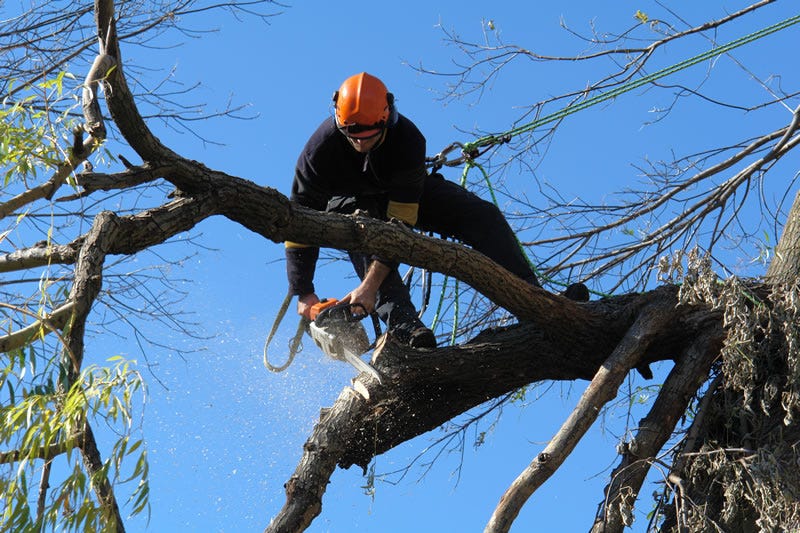
tree arborist

How can they get an accurate quote without overpaying?

They can reduce quote variation by giving each arborist the same brief and asking the same questions. The goal is to compare like-for-like scopes, not just bottom-line numbers.

They should consider doing this:

  • Request 2–3 on-site quotes (not photo-only for large gums)
  • Ask what is included: stump, waste, logs, and cleanup
  • Confirm insurance: public liability and workers compensation
  • Ask whether they use qualified arborists and what the dismantle method is
  • Check whether neighbour access, traffic control, or permits are assumed

If one quote is far cheaper, it is often missing an inclusion like waste removal, stump grinding, or proper rigging time.

What should they ask before booking a tree removal company?

They should ask questions that reveal experience, safety standards, and hidden costs. The most useful questions are:

  • What is the exact scope and exclusions?
  • Will they need a crane, EWP, or traffic control?
  • Who is responsible for permits if required?
  • What happens to logs and mulch?
  • How do they protect fences, roofs, and gardens?
  • Are they insured, and can they provide certificates?

Clear answers usually correlate with fewer surprises on the day and a cleaner, safer job overall.

Related : Green Waste Removal in Sydney: Cost, Booking and What Gets Taken
Tree Lopping Sydney

Safety Guidelines for Tree Lopping Near Me Homeowners Should Follow

Posted by Henry Eipper on
Safety Guidelines for Tree Lopping Near Me Homeowners Should Follow

How Can Homeowners Ensure Safety When Tree Lopping Near Their Homes?

Tree lopping activities near residential properties require careful attention to safety protocols to protect lives and property. Homeowners face significant risks when undertaking tree maintenance work, including:

  • Falling branches and debris
  • Equipment-related accidents
  • Property damage
  • Personal injury
  • Electrical hazards from nearby power lines

A thorough understanding of proper safety measures helps prevent these potential hazards. Homeowners should implement these essential safety practices:

1. Conduct Site Assessment

Before starting any tree work, homeowners should conduct a thorough assessment of the site. This includes:

  • Identifying potential obstacles such as nearby structures, fences, or vehicles
  • Mapping out safe work zones where no one will be in the way of falling branches or debris
  • Noting the proximity of trees to buildings or other valuable assets
  • Checking for utility lines that may be affected by the tree lopping process

2. Use Appropriate Safety Equipment

Using the right safety equipment is crucial to protecting oneself during tree lopping activities. Homeowners should ensure that all workers involved in the task are equipped with:

  • Hard hats to protect against falling objects
  • Safety goggles to shield eyes from flying debris
  • Cut-resistant gloves to prevent injuries while handling sharp tools
  • Non-slip footwear for stability and grip on uneven surfaces
  • High-visibility clothing to ensure visibility in low-light conditions or busy areas

When searching for tree lopping near me, it’s important to choose professional tree services that prioritize safety standards. These specialists not only bring the right equipment but also the expertise to handle complex tree lopping operations efficiently and safely.

  • Proper certification and training in tree care techniques
  • Industrial-grade equipment designed for efficient and safe tree removal
  • Comprehensive insurance coverage to protect against any unforeseen incidents
  • Risk management expertise to identify and mitigate potential dangers
  • Emergency response capabilities in case of accidents or emergencies

The complexity of tree lopping operations often exceeds the capabilities of untrained individuals. Professional arborists possess the knowledge to assess tree conditions, identify potential risks, and execute safe removal strategies while protecting surrounding property and infrastructure.

Sydney’s tree preservation laws establish strict guidelines for tree lopping activities. Homeowners must obtain specific permits from their local council before undertaking any tree modification work on their property.

The legal requirements include:

  • Submitting a detailed application form to the local council
  • Providing photographs of the tree(s) in question
  • Including an arborist’s report for significant trees
  • Paying the required application fees
  • Waiting for written approval before commencing work

Failure to comply with these regulations can result in substantial penalties:

  • Fines ranging from $500 to $110,000
  • Legal proceedings against property owners
  • Mandatory tree replacement orders
  • Additional costs for retrospective permits

These regulations serve to:

  1. Protect Sydney’s urban canopy
  2. Maintain neighbourhood aesthetics
  3. Ensure proper safety standards
  4. Preserve significant or heritage trees
  5. Prevent unnecessary tree removal

Local councils maintain specific lists of protected tree species and size thresholds that require permits. Property owners should consult their council’s Tree Preservation Order (TPO) or Development Control Plan (DCP) to understand the specific requirements for their area.

Why Should Homeowners Assess Tree Health Before Lopping?

A thorough tree health assessment serves as a critical safety measure before any lopping work begins. Professional arborists examine several key indicators to determine a tree’s condition:

Visible Warning Signs

  • Deep cracks or splits in the trunk
  • Leaning trunk with exposed roots
  • Fungal growth on bark or roots
  • Dead or hanging branches
  • Hollow sections or cavities

Root System Health

  • Soil heaving around the base
  • Exposed or damaged roots
  • Signs of root rot or decay
  • Poor soil conditions

Identifying these potential hazards through risk assessment helps determine the safest approach to tree lopping. Dead or diseased trees require different handling techniques compared to healthy specimens. The assessment results guide decisions about:

  • Equipment selection
  • Cutting angles
  • Safety zone establishment
  • Required personnel
  • Timing of work

A professional tree health evaluation also reveals whether partial lopping remains viable or if complete removal becomes necessary for safety reasons. This knowledge protects workers, property, and nearby structures during the lopping process.

Tree Lopping Near Me

When is Tree Lopping Necessary Instead of Complete Removal?

Tree lopping is a maintenance technique used to reduce the size of a tree while keeping it healthy and structurally sound. This specialised practice involves cutting back specific branches or stems to manage growth and shape.

A professional assessment can determine whether lopping or complete removal is the appropriate choice:

Tree Lopping is Suitable When:

  • Trees have grown too close to structures
  • Branches interfere with power lines
  • The canopy requires thinning for light penetration
  • Healthy trees need size control

Complete Removal Becomes Essential For:

  • Dead or dying trees
  • Trees with severe structural damage
  • Root systems threatening foundations
  • Trees infected with untreatable diseases
  • Storm-damaged specimens posing immediate risks

Preserving healthy trees through lopping offers significant benefits:

  • Maintains local wildlife habitats
  • Provides continued shade and temperature regulation
  • Sustains property value
  • Prevents soil erosion
  • Contributes to neighbourhood aesthetics

Professional arborists can assess each situation to recommend the most appropriate course of action, considering both tree health and safety requirements.

What Safety Precautions Should Be Taken Near Power Lines During Tree Lopping Work?

Trees growing near power lines create significant hazards that demand careful attention. Contact between branches and electrical lines can trigger devastating consequences:

  • Electric shock risks – Direct contact with energised lines can cause fatal injuries
  • Fire hazards – Branches touching power lines may ignite, especially during dry conditions
  • Power outages – Falling limbs can damage electrical infrastructure

Safe tree lopping near power lines requires strict adherence to minimum clearance distances:

  • 3 metres (10 feet) from low voltage lines
  • 6 metres (20 feet) from high voltage lines
  • 8 metres (26 feet) from transmission lines

Homeowners should never attempt to trim trees near power lines themselves. The risks are too severe. Only certified utility arborists possess the proper:

  • Training in electrical safety protocols
  • Specialised insulated equipment
  • Knowledge of power line clearance requirements
  • Insurance coverage for high-risk work

These qualified professionals understand how to safely manage vegetation while maintaining required distances from electrical infrastructure. Their expertise helps prevent dangerous situations that could result in injury or property damage.

How Can Homeowners Safely Plan Tree Lopping Work?

Safe tree cutting planning requires careful preparation and attention to detail. Homeowners must contact local utility companies at least 48 hours before starting any tree work to identify and mark underground utilities. This crucial step prevents accidental damage to gas lines, water pipes, and telecommunication cables.

Essential safety equipment for tree lopping includes:

  • Non-conductive fibreglass or wooden ladders
  • Insulated cutting tools with rubber grips
  • Hard hats and safety goggles
  • Steel-toed boots with non-slip soles
  • High-visibility clothing

A thorough site assessment helps identify potential hazards:

  • Checking weather conditions
  • Marking drop zones for branches
  • Clearing the work area of obstacles
  • Identifying escape routes
  • Setting up safety barriers

Property protection measures include:

  • Covering delicate plants and landscaping
  • Removing outdoor furniture
  • Securing loose items
  • Notifying neighbours of planned work
  • Documenting pre-existing property conditions

These preparations create a safer environment for tree lopping operations while protecting both people and property from potential damage.

When Should Professional Tree Services Be Hired for Safe Lopping Work?

Professional arborists in Sydney should be called for tree lopping work under specific circumstances:

1. Complex Tree Conditions

  • Trees showing signs of disease or decay
  • Uprooted or storm-damaged trees
  • Trees with irregular growth patterns
  • Specimens located near structures or power lines

2. Site-Specific Challenges

  • Limited access points
  • Steep terrain
  • Multiple trees requiring coordination
  • Proximity to valuable property

Selecting a qualified tree service requires careful consideration:

  1. Research local recommendations and reviews
  2. Verify current insurance coverage
  3. Check professional certifications
  4. Request detailed written quotes
  5. Confirm council permit compliance

Professional tree services offer distinct advantages:

  • Specialised equipment and safety gear
  • Trained crew members
  • Proper waste disposal methods
  • Risk assessment expertise
  • Emergency response capabilities

Licensed arborists understand local regulations and environmental guidelines, ensuring tree lopping work meets Sydney’s standards while protecting property value. Their expertise helps prevent accidents, property damage, and potential legal issues that can arise from DIY attempts at complex tree work. For ongoing tree care and maintenance, consulting with these professionals is highly beneficial. Check out more about what determines stump grinding cost and how to save money.

What Are the Roles of Vegetation Management Programs in Ensuring Safety During Tree Lopping?

Utility companies implement comprehensive vegetation management programs to protect electrical infrastructure and public safety. These programs involve systematic inspections and maintenance of trees near power lines throughout Sydney’s residential areas.

Qualified inspectors conduct regular assessments to:

  • Identify hazardous trees and branches
  • Monitor growth patterns near power lines
  • Schedule preventive trimming
  • Document potential risks

Under Australian law, utility providers have legal rights to access private property for vegetation management purposes. This authority enables them to:

  • Trim trees encroaching on power lines
  • Remove dead or dangerous branches
  • Clear vegetation from utility corridors
  • Maintain safe clearance distances

The programs operate on predetermined cycles, with more frequent inspections in high-risk areas. Utility arborists use specialised equipment and techniques to safely manage vegetation while preserving tree health where possible. Property owners receive notifications before scheduled maintenance work begins, allowing them to address any concerns with the utility company’s vegetation management team.

These structured programs help prevent power outages, reduce fire risks, and maintain electrical service reliability across Sydney’s communities.

Tree Lopping Near Me

How Can Homeowners Prevent Future Hazards Through Responsible Tree Planting Practices?

Strategic tree planting helps homeowners avoid potential hazards with power lines. A well-thought-out planting plan considers:

  • Distance RequirementsSmall trees (under 6m at maturity): minimum 5m from power lines
  • Medium trees (6-12m at maturity): minimum 10m from power lines
  • Large trees (over 12m at maturity): minimum 15m from power lines

Recommended Tree Species Near Power Lines:

  • Dwarf Fruit Trees: Apple, cherry, plum
  • Ornamental Trees: Japanese maple, flowering dogwood
  • Native Australian Species: Coastal banksia, bottlebrush

Smart Planting Guidelines: To ensure successful tree planting, it’s crucial to research mature tree heights before purchase, consider underground utilities when choosing planting locations, account for root spread potential, plant trees away from structures and foundations, and select species suited to local climate conditions. Local utility companies provide detailed guides for appropriate tree species and placement specific to different areas. These resources help homeowners make informed decisions about tree selection and positioning to prevent future conflicts with power infrastructure.

For those living in urban areas, adopting practices that enhance urban biodiversity can also be beneficial. This involves understanding the unique challenges and opportunities that city environments present for tree planting.

Ultimately, the key to preventing future hazards lies in planting the right tree in the right place. By following these guidelines and utilizing available resources, homeowners can successfully mitigate risks associated with tree planting while also contributing positively to their local environment.

What Should Homeowners Do During Storms Involving Trees Near Power Lines?

Storms create hazardous conditions when trees interact with power lines. Homeowners need to prioritise safety and follow specific protocols during these weather events.

Critical Safety Actions During Storms:

  • Stay at least 10 metres away from any fallen power lines
  • Treat all downed lines as live and dangerous
  • Keep children and pets inside during severe weather
  • Never attempt to remove tree branches from power lines
  • Avoid touching any objects in contact with power lines

Emergency Response Steps:

  1. Call the local electricity provider’s emergency number
  2. Contact emergency services on 000 if immediate danger exists
  3. Report fallen trees blocking roads to the local council
  4. Document damage with photos for insurance purposes
  5. Wait for official clearance before returning to affected areas

Warning Signs of Electrical Hazards:

  • Buzzing or crackling sounds near power lines
  • Visible sparks or flashes
  • Burning smells or smoke
  • Trees or branches touching power lines

Homeowners should maintain an emergency contact list with utility company numbers readily available. This preparation helps ensure swift response times during storm-related emergencies.