Affordable Stump Removal in Sydney: A Complete Guide
 Henry Eipper on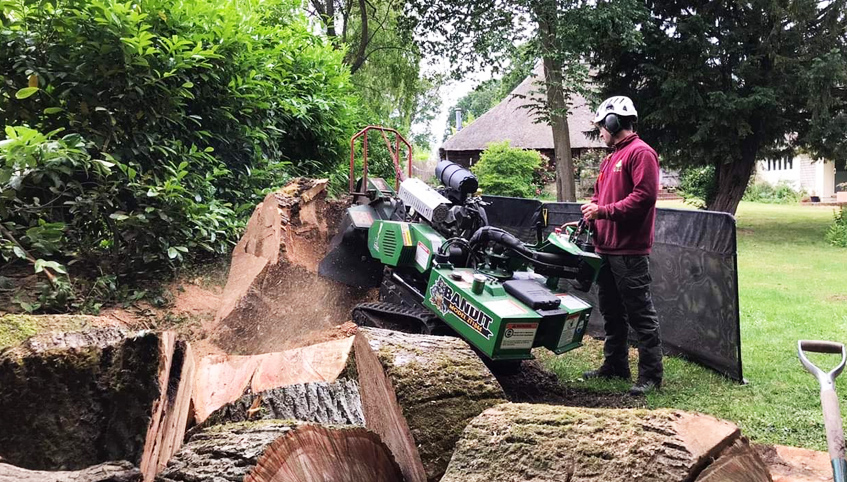
Stump removal can often be an overlooked aspect of garden maintenance, yet it plays a crucial role in enhancing the aesthetics and safety of outdoor spaces. In Sydney, where urban greenery is abundant, the need for efficient and affordable stump removal services is ever-present. This guide aims to provide a comprehensive overview of stump removal options available in Sydney, helping homeowners make informed decisions.
Understanding Stump Removal
Stump removal involves the complete extraction of tree stumps from the ground. This process not only clears the area for new planting or landscaping but also eliminates potential hazards such as tripping and pest infestations. Understanding the methods and costs associated with stump removal can aid in selecting the right service.
Why Remove Tree Stumps?
There are several reasons to consider stump removal. Firstly, stumps can be unsightly, detracting from the beauty of a garden. Secondly, they can pose safety risks, especially in family gardens where children play. Lastly, stumps can attract pests, such as termites and ants, which may spread to other parts of the garden or even into the home. Furthermore, stumps can hinder the growth of new plants, as they compete for nutrients and space in the soil. This can be particularly problematic in gardens where space is limited, and every inch counts for cultivating new flora.
Methods of Stump Removal
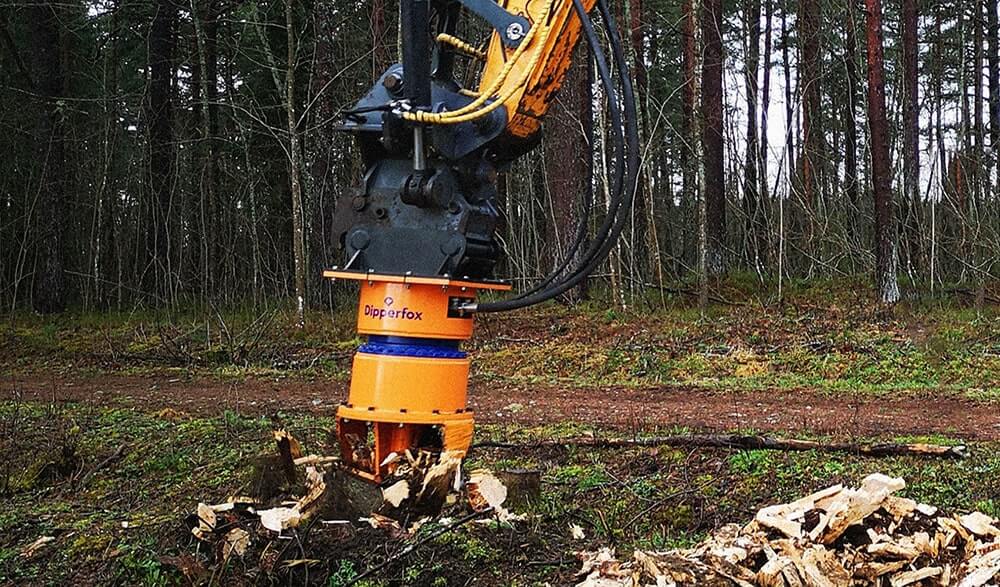
Stump removal can be achieved through various methods, each with its own advantages and disadvantages. The two primary methods are manual removal and mechanical grinding. Manual removal involves digging out the stump and its roots, which can be labour-intensive but effective for smaller stumps. On the other hand, mechanical grinding uses specialised equipment to grind the stump down to below ground level, making it a quicker and less labour-intensive option. Additionally, there are chemical methods that can expedite the decomposition of the stump, allowing it to break down naturally over time. However, these methods may take longer and require careful handling to ensure safety and environmental compliance. Each option should be considered based on the specific circumstances, including the size of the stump, the surrounding landscape, and the urgency of the removal. Understanding these factors can help homeowners make informed decisions that align with their gardening goals.
Cost of Stump Removal in Sydney
The cost of stump removal in Sydney can vary significantly based on several factors, including the size of the stump, the method of removal, and the location of the property. Generally, homeowners can expect to pay anywhere from $100 to $500 per stump, with larger or more complex jobs potentially costing more.
Factors Influencing Costs
Several factors can influence the overall cost of stump removal. The size of the stump is a primary consideration; larger stumps require more time and effort to remove. Additionally, the accessibility of the stump plays a role. If the stump is located in a hard-to-reach area, it may incur additional charges due to the extra labour involved. Furthermore, the type of tree from which the stump originates can also affect the cost. Certain species have denser wood or extensive root systems, making them more challenging to remove, which can lead to higher prices.
Moreover, the method of removal chosen can significantly impact the overall expense. Homeowners can opt for grinding, where the stump is reduced to mulch, or complete excavation, which involves digging out the stump and roots entirely. Each method has its pros and cons; while grinding is generally less invasive and quicker, excavation may be necessary for larger stumps or those that are in close proximity to structures or other plants. It’s also worth noting that some companies may offer additional services, such as replanting or landscaping after stump removal, which can further influence the final cost.
Comparing Quotes
Obtaining multiple quotes from different stump removal services is advisable. This not only helps in finding the most affordable option but also provides insight into the range of services offered. When comparing quotes, it is essential to consider what is included in the price, such as cleanup and disposal of the stump material. Additionally, it may be beneficial to inquire about the company’s experience and qualifications. A well-established service with positive reviews may charge a premium, but their expertise could save you time and potential headaches in the long run.
It is also prudent to check if the companies are insured and licensed, as this can protect you from liability in case of accidents during the removal process. Some services might offer warranties on their work, ensuring that if any issues arise post-removal, they will address them without extra cost. Taking the time to thoroughly research and compare options will ultimately lead to a more satisfactory outcome for your stump removal project.
Choosing a Stump Removal Service
When it comes to selecting a stump removal service, it is important to consider various factors to ensure a satisfactory outcome. Not all services are created equal, and thorough research can lead to better results.
Qualifications and Experience
It is crucial to choose a service with qualified professionals who have experience in stump removal. Look for companies that are licensed and insured, as this provides peace of mind in case of accidents or damage during the removal process. Experienced professionals will also be more adept at handling any complications that may arise during the job.
Customer Reviews and Recommendations
Reading customer reviews can provide valuable insight into the reliability and quality of a stump removal service. Websites such as Google Reviews or local community forums can be excellent resources for gauging customer satisfaction. Additionally, asking friends or neighbours for recommendations can lead to trustworthy service providers.
DIY Stump Removal: Is It Worth It?
For those with a penchant for DIY projects, removing a stump can seem like a feasible task. However, it is worth considering the potential challenges and risks involved. While DIY removal can save money, it may not always be the most efficient or safe option.
Tools Required
If opting for a DIY approach, certain tools are essential for effective stump removal. Tools such as a shovel, axe, and chainsaw may be required for manual removal, while a stump grinder is necessary for grinding. Renting equipment can be an option, but it is important to factor in the cost of rental along with any safety gear needed.
Potential Risks
DIY stump removal can pose various risks, including physical injury and damage to surrounding plants or structures. Without the proper knowledge and tools, the task can quickly become overwhelming. Therefore, it is advisable to weigh the pros and cons before deciding on a DIY approach.
See Also : The Importance of Hedge Trimming for Your Garden’s Health
Environmental Considerations
Stump removal can have environmental implications, particularly in urban areas like Sydney. It is essential to consider the ecological impact of removing tree stumps and to adopt practices that promote sustainability.
Recycling and Disposal
Many stump removal services offer recycling options, turning the removed stump into mulch or wood chips. This not only reduces waste but also provides beneficial materials for gardens and landscaping. When selecting a service, inquire about their disposal methods and whether they offer recycling options.
Impact on Soil Health
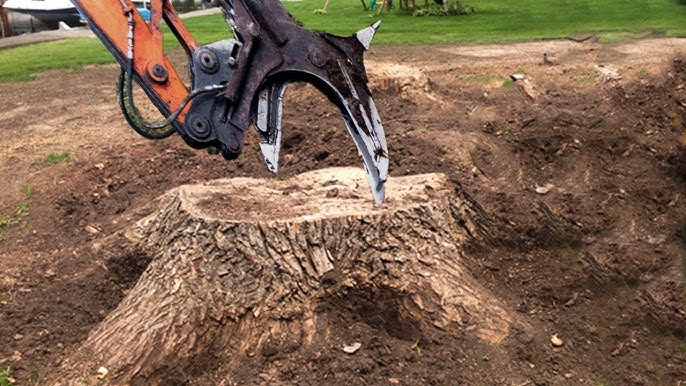
Removing stumps can affect soil health, particularly if the roots are extensive. It is crucial to ensure that the removal process does not disturb the surrounding soil excessively. After removal, consider replanting or enriching the soil to promote healthy growth for future plants.
Post-Stump Removal Care
Once the stump has been removed, proper care of the area is vital to ensure a healthy garden. This includes filling the hole left by the stump and considering new planting options.
Filling the Hole
After stump removal, the hole left behind can be filled with soil, compost, or a combination of both. This not only levels the ground but also prepares the area for future planting. It is important to pack the soil down to prevent settling, which can create uneven surfaces.
Future Planting Options
With the stump gone, the area can be revitalised with new plants. Consider planting flowers, shrubs, or even a new tree, depending on the space and sunlight available. Choosing native plants can also promote local biodiversity and create a sustainable garden environment.
Conclusion
Stump removal in Sydney is an important aspect of maintaining a safe and aesthetically pleasing garden. Whether opting for professional services or considering a DIY approach, understanding the costs, methods, and environmental implications is essential. By making informed decisions, homeowners can ensure their outdoor spaces remain beautiful and functional for years to come.
In summary, whether you choose to hire a professional or tackle the task yourself, stump removal can significantly enhance the appeal and safety of your garden. With the right knowledge and resources, the process can be both affordable and effective.