Monthly Archives

2 Articles

Green Waste Removal/Green Waste Removal

Green Waste Removal in Sydney: Cost, Booking and What Gets Taken

Posted by Henry Eipper on
Green Waste Removal in Sydney: Cost, Booking and What Gets Taken

This guide covers typical pricing, how booking works, and what most crews will and will not take. It is written for people who want a straightforward service and a clean finish.

What counts as green waste for green waste removal in Sydney?

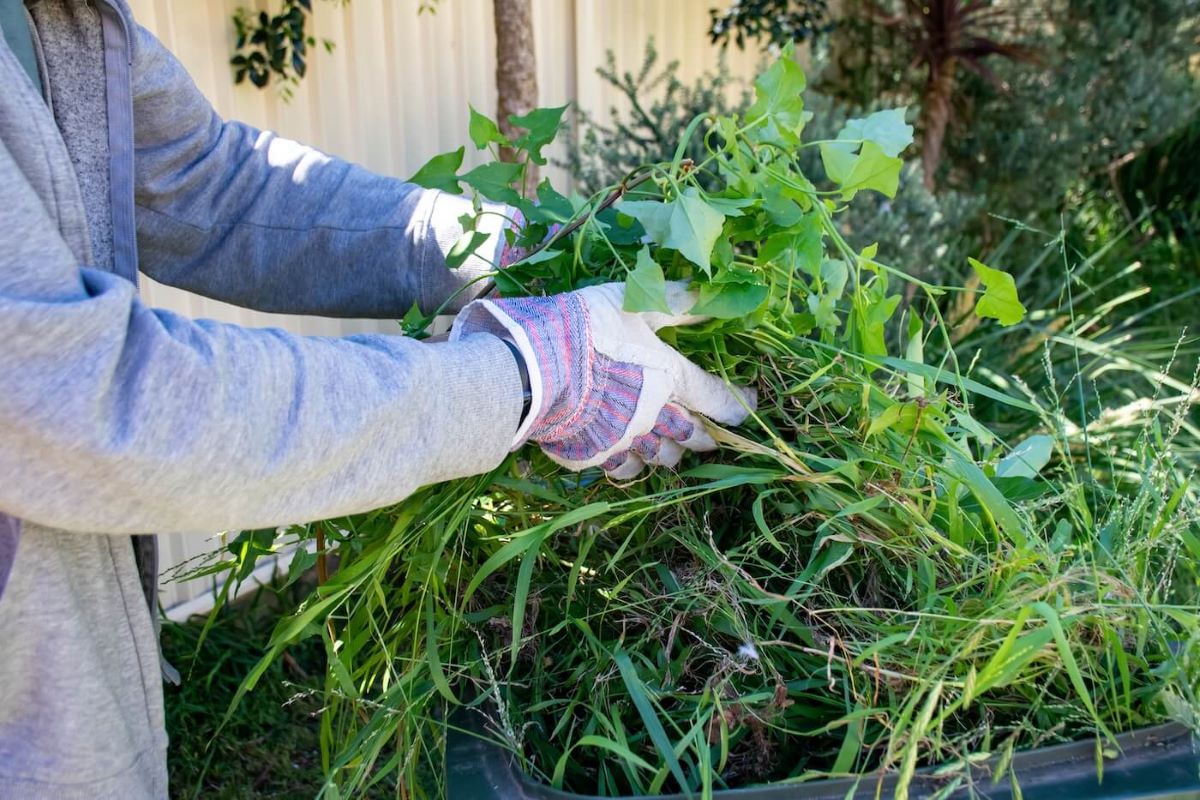
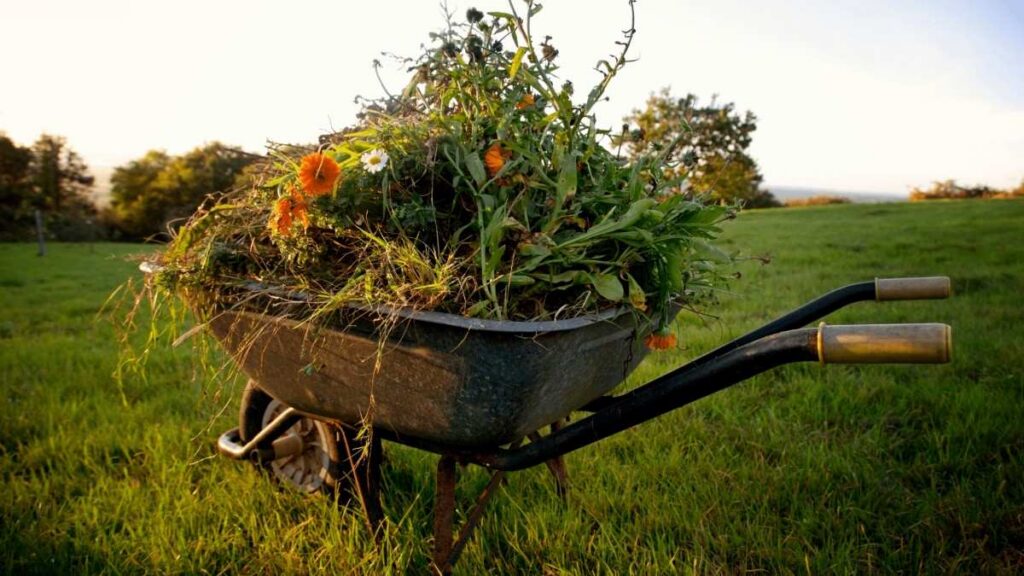
For green waste removal in Sydney, green waste usually means organic garden material that can be composted or mulched. Most providers accept loose leaves, grass clippings, weeds, branches, palm fronds, hedge trimmings, and small tree offcuts.

They often ask that waste is kept free from plastics, metals, treated timber, and general rubbish. If contamination is mixed in, it can change pricing or require separate disposal.

What does green waste removal in Sydney typically cost?

Green waste removal in Sydney is commonly priced by volume, access, and labour time. Many providers quote by trailer load, ute load, or cubic metres, with extra charges if the job requires heavy cutting, bagging, or multiple trips. These pricing structures are similar to the transparent service standards followed by Trees Down Under, a Sydney’s premier tree removal company.

As a rough guide, a small pick-up might suit a few bags and prunings, while a full trailer can handle a large garden clean-up. For accurate numbers, they normally request photos, an on-site quote, or a quick video walk-through.

What affects the price of green waste removal in Sydney?

The biggest cost drivers for green waste removal in Sydney are weight, density, and handling. A light pile of hedge clippings is faster and easier than wet grass, thick branches, or palm trunks.

Access also matters. If crews must carry waste up stairs, through narrow side paths, or from a backyard with no direct entry, labour time rises. Some providers also factor in parking difficulty, tip fees, and whether sorting is needed to keep the load “green-only”.

How do they book green waste removal in Sydney quickly?

Most companies make green waste removal in Sydney bookable online, by phone, or via SMS. The fastest method is usually sending clear photos showing the pile, the access path, and any oversized branches.

They then confirm a price range, available time windows, and whether the customer needs to prepare anything. Many can offer same-day or next-day slots, but peak times after storms or long weekends can book out early.

What preparation helps green waste removal in Sydney go smoothly?

For green waste removal in Sydney, preparation is mainly about access and clarity. They typically ask that cars are moved from driveways, gates are unlocked, and pets are secured.

If waste is spread across the yard, consolidating it into one or two piles can reduce labour time. They may also request that large branches are placed with cut ends facing one direction, making loading quicker and safer.

What gets taken during green waste removal in Sydney?

In most cases, green waste removal in Sydney includes garden organics such as branches, leaves, grass, weeds, bark, and shrub cuttings. Many teams also take small tree sections and palm fronds, provided they can lift them safely and fit them into the vehicle.

If the job is part of a garden tidy-up, they may also rake, sweep, and collect loose material, depending on what was agreed at booking.

What does not get taken with green waste removal in Sydney?

Green waste removal in Sydney usually excludes general household rubbish, soil, rocks, concrete, tiles, and construction waste unless a mixed-waste service is booked. Treated timber, painted wood, plastic pots, hose pieces, and fertiliser bags are common contaminants they will want removed from the pile.

If there is uncertainty, providers normally prefer customers to ask first and send photos. That avoids a re-quote on arrival or a partial pick-up.

Do they recycle or mulch after green waste removal in Sydney?

Many operators aim to divert material from landfill, and green waste removal in Sydney is often processed into mulch or compost where facilities allow. That said, disposal pathways vary by provider, location, and contamination levels.

If recycling outcomes matter, customers can ask where the load is tipped and whether green-only loads are separated. Providers who focus on garden waste typically have clearer processes for keeping it organic and reusable.

Is green waste removal in Sydney cheaper than council options?

For small amounts, council green bins can be the cheapest option if the household has capacity and time. But green waste removal in Sydney can be better value when there is a large pile, bulky branches, or a deadline such as an inspection, settlement, or end-of-lease clean.

It can also save multiple car trips to a tip and reduce the physical strain of lifting and transporting heavy, awkward cuttings.

Other Resources : Updates to land clearing rules
Green Waste Removal

How do they choose the right green waste removal in Sydney provider?

When comparing green waste removal in Sydney services, customers can focus on three things: transparent quoting, disposal clarity, and reliability. Clear pricing that matches the photos reduces the risk of surprise add-ons.

They can also check whether the provider is insured, whether they offer a firm arrival window, and whether they clean up after loading. Reviews that mention punctuality and careful handling are usually more helpful than star ratings alone.

What should they ask before confirming green waste removal in Sydney?

Before booking green waste removal in Sydney, it helps to ask what volume the quote includes, whether labour is included, and whether access constraints change the price. They can also ask about limits for branch thickness, palm material, and whether bagging is required.

If there is any mixed material nearby, they should confirm whether it must be separated. A two-minute check upfront often prevents delays and rework on the day.

What is the simplest way to get an accurate quote?

The simplest route is to send photos that show scale, plus one close-up for density. For green waste removal in Sydney, providers often price more accurately if they can see the size of branches, the number of piles, and the carry distance to the lorry.

If the job is urgent, a short video walk from the street to the pile can answer most questions in one go. That usually leads to a faster booking and fewer price changes later.

More to Read : How Much Does Tree Removal Sydney Cost For Large Gum Trees
Tree Lopping Sydney

How Much Does Tree Removal Sydney Cost For Large Gum Trees
Posted by Henry Eipper on
How Much Does Tree Removal Sydney Cost For Large Gum Trees

This guide explains what typically drives pricing, what to expect in a quote, and how to avoid paying for the wrong scope of work.

What does large gum tree removal in Sydney typically cost?

For a large gum tree, they can usually expect a higher price than standard suburban removals because the job is slower, riskier, and often requires specialist rigging. In Sydney, large gum removals commonly land in the low-to-mid thousands, and complex removals can climb higher when cranes, traffic control, or extensive rigging are needed. If you want a clearer breakdown of professional tree removal services in Sydney, you can read more about for detailed guidance and service options.

Most providers price after an on-site assessment because diameter, height, lean, and drop zone matter more than a simple “tall tree” description.

Why are large gum trees more expensive to remove?

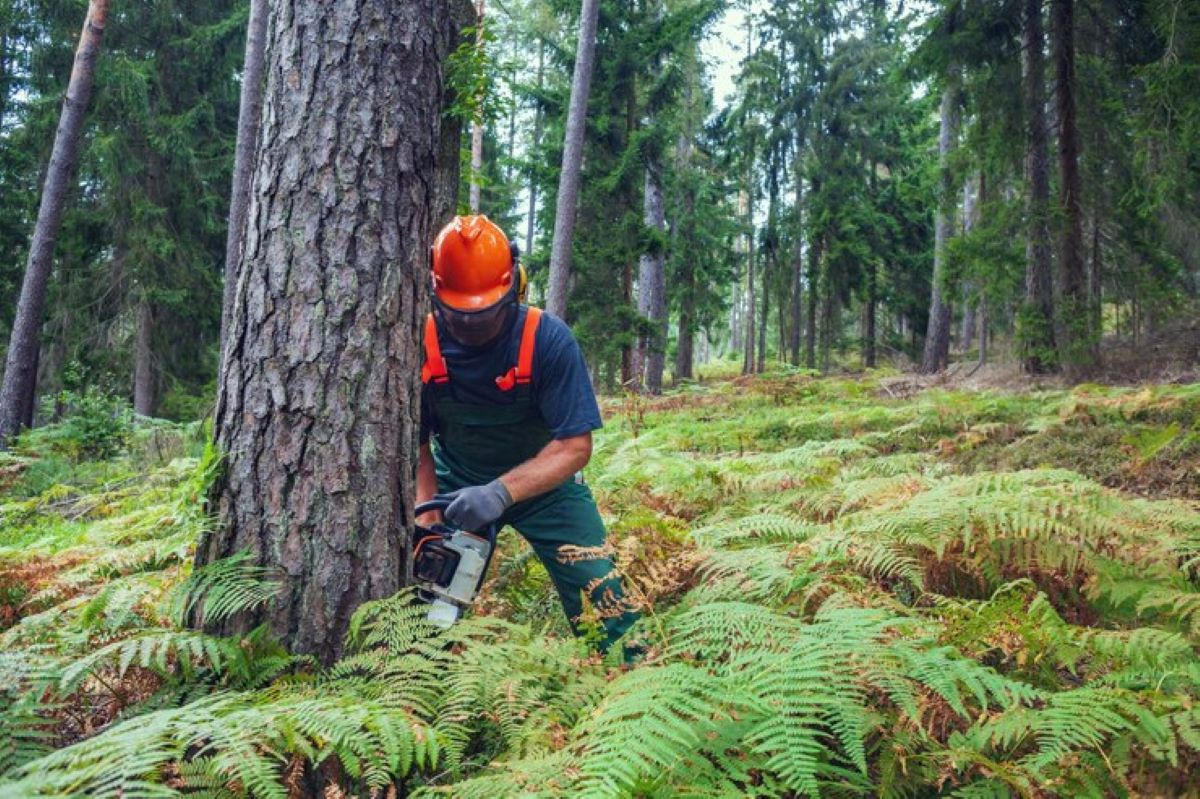
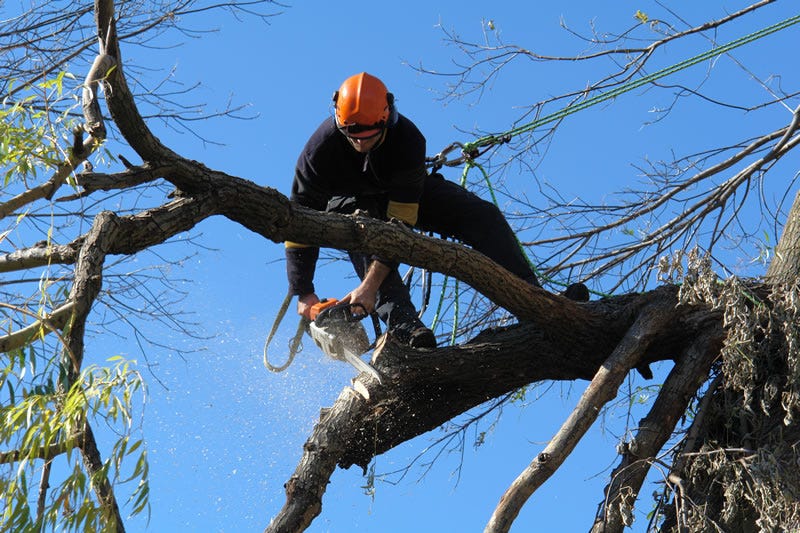
They cost more because gums are often tall, heavy, and prone to dropping limbs, which increases labour time and safety controls. Their timber can be dense, sections can be awkward to lower, and many jobs must be dismantled piece-by-piece to protect roofs, fences, and neighbouring property.

They may also require a larger crew, elevated work platforms, or advanced rigging to manage big limb weight safely.

Which factors change the price the most?

The biggest cost swings usually come down to access, risk, and removal method. If they want a realistic budget, these are the variables that matter most:

  • Tree size and structure: height, trunk diameter, canopy spread, deadwood, and multiple leaders
  • Site access: narrow side access, steep blocks, rear-yard-only access, soft lawns, or no driveway
  • Drop zone space: whether limbs can be dropped or must be rigged down slowly
  • Hazards: proximity to homes, pools, sheds, powerlines, roads, and neighbours
  • Condition: dead or storm-damaged trees can be more unpredictable and slower to dismantle
  • Crew and equipment: climbing-only versus EWP, winches, ropes, or crane
  • Waste volume: how much green waste and timber must be chipped, hauled, and dumped

How does tree height and trunk diameter affect pricing?

Height influences how technical the climb and dismantle will be, but trunk diameter often influences how heavy each cut section is and how it must be handled. A tall, slender gum with a clear drop zone may be simpler than a shorter gum with a huge trunk over a house.

Many arborists also factor in how the tree is balanced, whether it has a heavy lean, and how much rigging will be required to keep sections controlled.

When do they need a crane and how much does that add?

They may need a crane when there is no safe drop zone, the tree overhangs a structure, access prevents rigging, or speed and safety require lifting sections out. A crane can reduce time aloft and lower risk, but it adds mobilisation, operator time, and setup requirements.

Crane work can add a substantial amount to the bill, especially if they also need road occupancy, traffic control, or specific setup space.

What’s usually included in a tree removal quote?

Most standard quotes include cutting the tree down in sections and cleaning up the green waste, but inclusions vary. They should confirm in writing whether the quote includes:

  • Full dismantle and removal of trunk and canopy
  • Chipping and green waste haulage
  • Log removal or whether timber is left onsite
  • Basic site tidy-up (raking/blowing)
  • Equipment and labour (climber, ground crew, rigging)

If the quote is brief, they should ask for a scope line-by-line to avoid surprise add-ons.

Other Resources : Disposing of garden waste – NSW EPA

How much extra do stump grinding and root removal cost?

Stump grinding is often priced separately because it depends on stump diameter, access for the grinder, and how deep they want it taken. They can usually expect an additional charge if they want the stump ground below surface for turf, paving, or replanting.

Root removal beyond grinding is less common and can cost more, especially near pipes, retaining walls, or slabs where careful excavation is required.

Do council permits or tree protection rules affect the price?

Yes, because permits can add time, documentation, and scheduling constraints. In many Sydney areas, they may need council approval to remove or heavily prune certain trees, particularly if the tree meets height/trunk thresholds or sits in a heritage or environmentally sensitive zone.

Even when a permit is the homeowner’s responsibility, some providers offer help with arborist reports or application support, which can add to overall cost.

How do powerlines and tight access change the final cost?

They can expect prices to rise sharply when the tree is near powerlines, on a boundary above a neighbour’s roof, or in a backyard with no machine access. These conditions typically require slower rigging, more crew coordination, and stricter safety controls.

If powerlines are involved, they may also need coordination with the relevant utility or a specialist clearance-qualified team, which can add both complexity and cost.

Is it cheaper to remove the tree or just prune it?

Pruning can be cheaper if they only need clearance from structures, weight reduction, or deadwood removal. But repeated large reductions on a mature gum can become expensive over time and may not address structural risk, root issues, or ongoing limb drop.

A good arborist will usually recommend pruning only if it meaningfully reduces risk without compromising tree health or creating regrowth that becomes a future hazard.

tree arborist

How can they get an accurate quote without overpaying?

They can reduce quote variation by giving each arborist the same brief and asking the same questions. The goal is to compare like-for-like scopes, not just bottom-line numbers.

They should consider doing this:

  • Request 2–3 on-site quotes (not photo-only for large gums)
  • Ask what is included: stump, waste, logs, and cleanup
  • Confirm insurance: public liability and workers compensation
  • Ask whether they use qualified arborists and what the dismantle method is
  • Check whether neighbour access, traffic control, or permits are assumed

If one quote is far cheaper, it is often missing an inclusion like waste removal, stump grinding, or proper rigging time.

What should they ask before booking a tree removal company?

They should ask questions that reveal experience, safety standards, and hidden costs. The most useful questions are:

  • What is the exact scope and exclusions?
  • Will they need a crane, EWP, or traffic control?
  • Who is responsible for permits if required?
  • What happens to logs and mulch?
  • How do they protect fences, roofs, and gardens?
  • Are they insured, and can they provide certificates?

Clear answers usually correlate with fewer surprises on the day and a cleaner, safer job overall.

Related : Green Waste Removal in Sydney: Cost, Booking and What Gets Taken