

What Makes Custom Car Air Fresheners So Appealing?
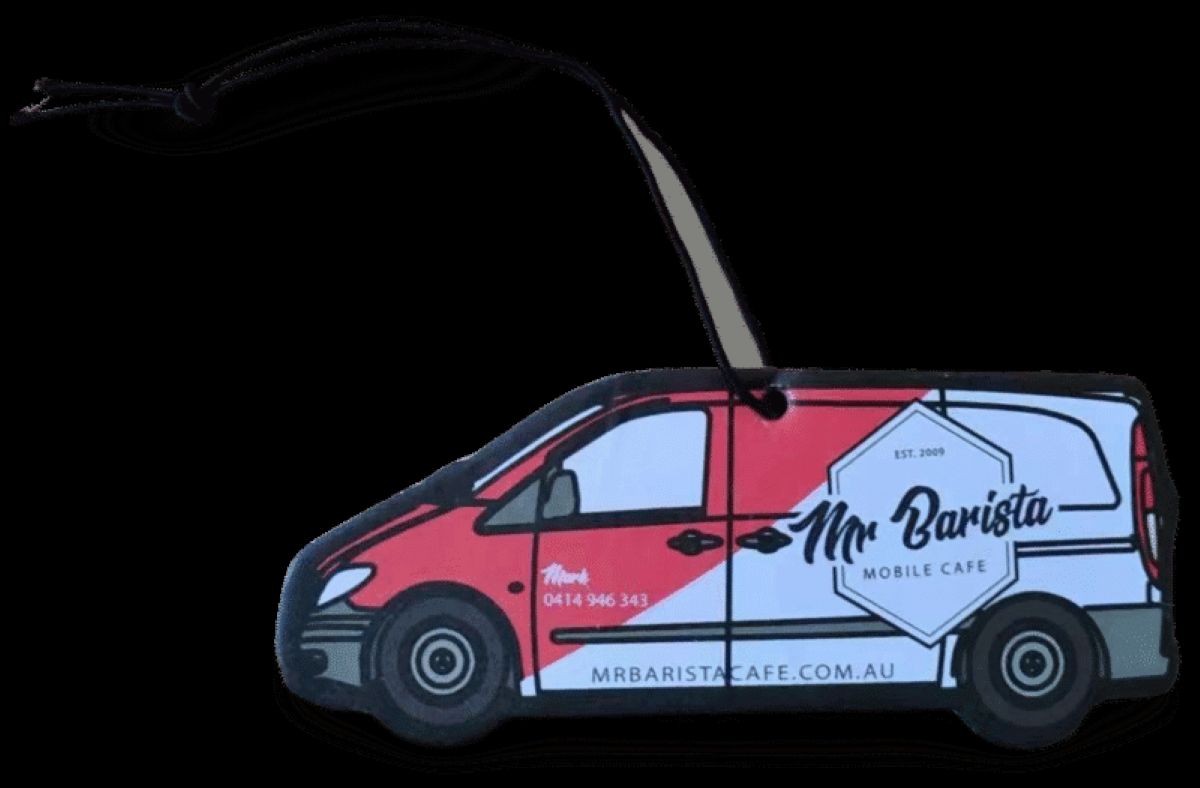
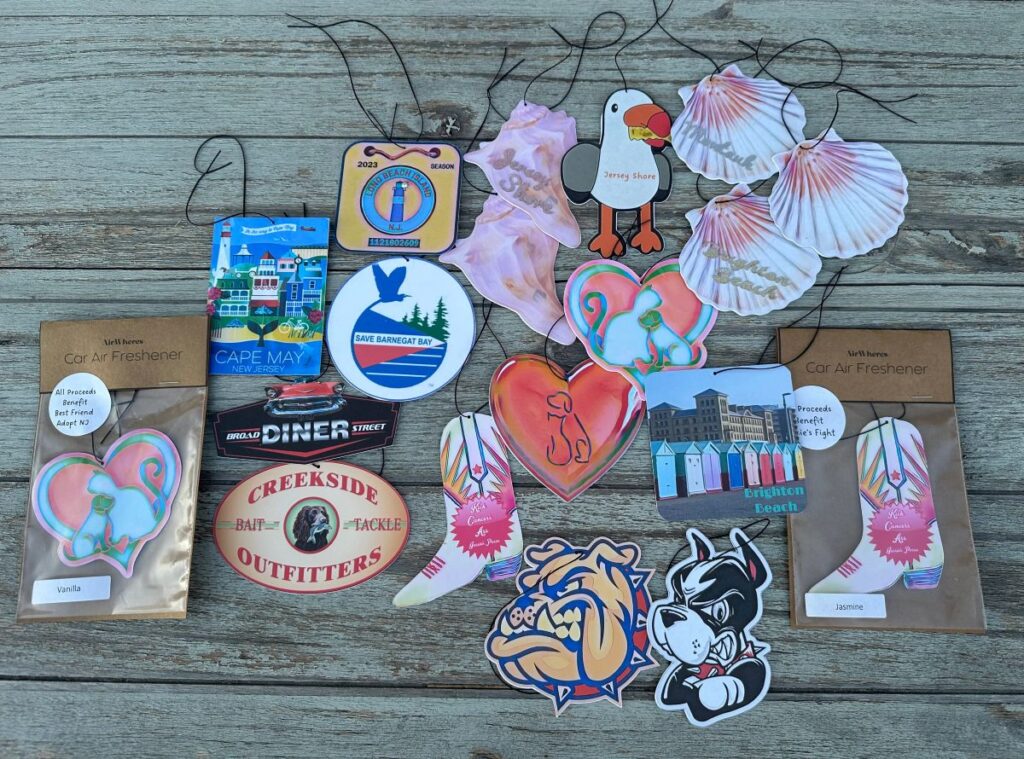
Custom car air fresheners combine practical odour control with personalised design, transforming a functional product into a statement piece that reflects individual style or brand identity. Unlike generic options, these tailored fresheners allow users to select specific scents, shapes, and visual elements that resonate with their preferences or marketing goals.
The appeal extends beyond mere aesthetics. A custom car air fresheners serve multiple purposes:
- Personal expression through unique designs, colours, and imagery
- Brand promotion when featuring company logos or messaging
- Gift potential as memorable, practical items for customers or loved ones
- Sensory customisation with fragrance choices that match individual tastes
Designing for longevity separates premium products from disposable alternatives. A long-lasting fragrance ensures users enjoy consistent aromatic benefits for weeks or months, creating better value and reducing waste. This durability builds trust in the product and strengthens brand reputation when used for promotional purposes.
This guide addresses critical factors that determine both lifespan and user satisfaction. Material selection forms the foundation, with eco-friendly materials offering sustainability alongside performance. Fragrance chemistry, customisation techniques, format considerations, and manufacturing processes each play distinct roles in creating fresheners that maintain their potency and visual appeal throughout their intended lifespan.
Which Materials Are Best for Creating Long-Lasting Custom Car Air Fresheners?
High-quality materials are essential for creating effective custom car air fresheners. The choice of substrate directly affects how well the fragrance sticks, how slowly it releases, and how long the product works. Among various options, recycled paper stands out as the most popular choice. It offers a perfect combination of breathability, eco-friendliness, and cost-effectiveness.
Benefits of Using Recycled and Eco-Friendly Materials
Recycled paper and eco-friendly substances offer more than just being environmentally friendly. These materials have natural fibrous structures that trap fragrance oils within their cells, creating tiny reservoirs that slowly release scent. The porous nature of recycled cardstock allows for deeper oil absorption compared to synthetic alternatives, extending the freshener’s active lifespan by 30-40%.
Consumers are increasingly prioritising sustainable products, with 67% of car accessory buyers willing to pay higher prices for environmentally conscious options. Recycled materials reduce carbon emissions during manufacturing while still maintaining the strength needed for hanging designs. The absorbent quality of eco-friendly paperboard also means less fragrance oil is required per unit, lowering production costs without compromising scent intensity.
Biodegradable materials eliminate worries about disposal. Unlike plastic-based fresheners that stay in landfills for decades, paper-based options break down within months. This sustainability aspect enhances brand image, especially for businesses targeting environmentally aware customers.
How Material Choice Affects Scent Retention
The relationship between substrate and fragrance longevity depends on three factors: breathability, density, and surface treatment. Materials with optimal pore size (between 10-50 micrometres) create the ideal environment for controlled scent diffusion. If the pores are too large, oils evaporate quickly; if they are too small, fragrance remains trapped.
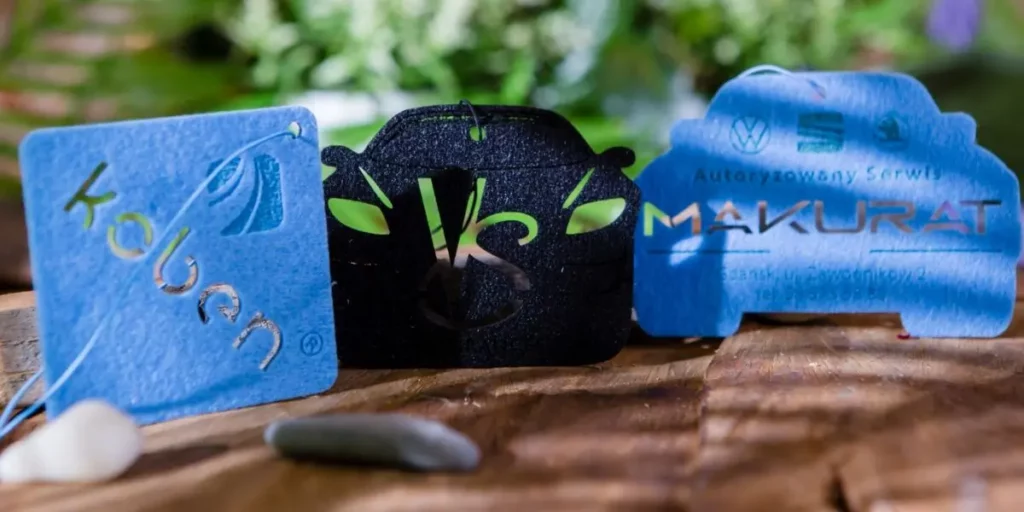
Felt and thick cardstock (300-400 GSM) perform better than thin paper in retention tests. The increased material density provides more surface area for oil absorption, while the compressed fibres slow down evaporation rates. A 3mm thick felt air freshener can maintain noticeable fragrance for 4-6 weeks, compared to 2-3 weeks for standard 200 GSM paper.
How Does Fragrance Selection Impact the Lifespan of a Car Air Freshener?
The fragrance you select determines how long your custom car air freshener remains effective. Durable fragrance oils with higher molecular weights evaporate more slowly, extending the product’s active lifespan from weeks to several months. Choosing between natural perfumes and synthetic aromas directly affects both scent longevity and user satisfaction.
Natural vs. Synthetic Fragrances: Which Lasts Longer?
Natural perfumes derived from essential oils typically offer authentic, complex scent profiles but evaporate faster due to their volatile organic compounds. Lavender, citrus, and eucalyptus oils may lose potency within 2-3 weeks under normal car conditions. These fragrances appeal to environmentally conscious consumers seeking chemical-free options, yet their shorter lifespan requires careful consideration during the design phase.
Synthetic aromas provide superior scent longevity through engineered molecular structures that resist rapid evaporation. Laboratory-created fragrances can maintain their intensity for 4-8 weeks or longer, making them ideal for commercial applications where extended performance matters. Modern synthetic options replicate natural scents with remarkable accuracy whilst offering consistency across production batches.
The choice between these options depends on your target market’s priorities:
- Natural fragrances: Best for premium, eco-conscious brands willing to accept shorter lifespans
- Synthetic fragrances: Optimal for mass-market products requiring predictable, extended performance
- Hybrid blends: Combine natural top notes with synthetic base notes for balanced longevity and authenticity
Selecting Fragrance Oils for Gradual Aroma Release
Slow-release fragrance oils contain fixatives that anchor volatile compounds, preventing rapid evaporation. These specialised formulations use ingredients like benzyl benzoate or dipropylene glycol to moderate scent diffusion rates. When embedded in porous materials, they create a controlled release mechanism that extends the freshener’s effective period.
Oil viscosity plays a crucial role in release rates. Thicker oils with higher viscosity ratings penetrate material fibres more slowly, creating a reservoir effect that sustains fragrance output. Testing different viscosity grades helps identify the optimal balance.
What Customisation Options Enhance Both Functionality and Appeal in Car Air Fresheners?
Customisation transforms standard air fresheners into memorable brand ambassadors or cherished personal items. The right combination of visual elements and practical design choices creates products that users want to display whilst benefiting from consistent fragrance delivery.
Using Logos and Images for Brand Recognition or Personal Touch
Printed logos serve dual purposes: they reinforce brand identity whilst creating visual interest in an otherwise utilitarian product. Companies can position their branding prominently on hanging fresheners, turning every vehicle into a mobile advertisement. High-resolution printing techniques allow for intricate detail reproduction, ensuring logos remain crisp and recognisable throughout the product’s lifespan.
Personal images offer emotional connections that generic designs cannot match. Custom photo fresheners featuring family portraits, pet pictures, or memorable holiday snapshots transform functional items into sentimental keepsakes. The printing process must account for material porosity—images on paper-based fresheners require protective coatings to prevent fragrance oils from degrading ink quality over time.
Key considerations for image customisation:
- UV-resistant inks prevent fading from sunlight exposure
- Waterproof coatings protect against humidity and temperature fluctuations
- Print placement should avoid areas with maximum fragrance oil concentration
- Colour contrast ensures visibility in varying light conditions inside vehicles
Designing Unique Shapes for Visual Appeal and Practicality
Shape selection directly influences both aesthetic impact and functional performance. Traditional tree-shaped fresheners remain popular due to familiarity, yet custom shapes create stronger brand associations and user engagement. A coffee shop might choose cup-shaped fresheners, whilst automotive brands could opt for miniature car silhouettes.
Practical considerations dictate certain shape limitations. Designs must accommodate hanging mechanisms without compromising structural integrity. Thin sections may tear easily, whilst overly thick areas can restrict airflow and reduce scent diffusion. The ideal shape balances visual distinctiveness with material efficiency—complex die-cut patterns increase production costs but deliver premium perceived value.
Surface area calculations prove essential in The Definitive Guide to Designing a Long-Lasting Custom Car Air Freshener. Larger surface areas expose more fragrance-infused material to air circulation, accelerating scent release. Designers must determine whether faster initial fragrance or extended longevity aligns better with target consumer preferences.
Other Resources : Flavour and fragrance chemicals
How Do Different Formats Affect Fragrance Release and User Experience in Car Air Fresheners?
The format you choose determines how fragrance disperses throughout the vehicle and how users interact with the product daily. Each design—whether hanging paper fresheners, vent clips, or aerosol sprays—offers distinct advantages in scent delivery, maintenance requirements, and aesthetic integration.
Why Hanging Paper Fresheners Remain Popular Despite Their Limitations
Hanging paper fresheners deliver fragrance through passive diffusion, requiring no power source or mechanical assistance. The scent-infused material releases aroma naturally as air circulates around it, creating a gentle, consistent fragrance presence. These designs excel in customisation potential, allowing for intricate die-cut shapes, full-colour printing, and creative branding opportunities that transform the freshener into a visual statement piece.
The primary drawback centres on scent intensity control. Users cannot adjust the fragrance strength beyond repositioning the freshener or removing it temporarily. Temperature fluctuations accelerate scent depletion in hot conditions, whilst cold weather can diminish aroma release significantly. The lifespan typically ranges from two to four weeks under normal conditions, though premium materials and quality fragrance oils extend this duration.
Paper formats work best for:
- Budget-conscious consumers seeking affordable fragrance solutions
- Promotional campaigns requiring high-volume distribution
- Designs prioritising visual impact and brand recognition
- Vehicles with adequate air circulation through open windows or ventilation systems
How Vent Clips Optimise Fragrance Distribution Through Active Airflow
Vent clips attach directly to air conditioning or heating vents, leveraging the vehicle’s climate control system to disperse fragrance. This active distribution method creates more consistent scent coverage throughout the cabin compared to passive hanging designs. Users gain precise control over intensity by adjusting vent airflow or rotating the clip’s exposure angle.
The format accommodates both refillable cartridges and disposable units. Refillable versions reduce waste and allow scent switching without replacing the entire mechanism, appealing to environmentally conscious consumers. The compact design maintains a low profile, avoiding the visual obstruction that larger hanging fresheners might create.
Challenges include compatibility issues with different vent styles. Horizontal slat vents, vertical designs.
What Manufacturing Considerations Support Efficient Production Without Sacrificing Quality in Car Air Fresheners?
Ease of Design Tools for Custom Orders
Ease of design tools directly determines how quickly manufacturers can respond to custom orders and market demands. Modern digital design platforms enable clients to upload logos, select shapes, and preview their air fresheners within minutes rather than days. Template-based systems with drag-and-drop functionality eliminate the need for specialised graphic design knowledge, allowing businesses to create professional-looking products without extensive technical training.
Streamlined Approval Process through Cloud-Based Interfaces
Cloud-based design interfaces streamline the approval process by enabling real-time collaboration between clients and manufacturers. These systems automatically check design specifications against production capabilities, flagging potential issues like insufficient image resolution or incompatible colour profiles before production begins. This pre-production validation reduces costly errors and minimises back-and-forth communication.
Balancing Speed with Material Integrity
Production speed becomes meaningless if the final product fails to retain its fragrance or deteriorates quickly. Automated cutting machines can process hundreds of air fresheners per hour, yet the material must still undergo proper fragrance saturation periods. Rushing the infusion process creates uneven scent distribution, resulting in products that smell strong initially but fade within days.
Quality control checkpoints throughout the production line ensure consistency without significantly slowing output. Strategic testing at three key stages catches defects early:
- Post-cutting inspection: verifies shape accuracy and material integrity
- Mid-saturation sampling: confirms fragrance oil absorption rates
- Pre-packaging assessment: validates scent strength and visual quality
Preserving Scent Potency During Mass Production
Scent potency preservation requires careful environmental control throughout manufacturing. Temperature fluctuations during production can cause fragrance oils to evaporate prematurely or absorb unevenly into materials. Climate-controlled facilities maintain consistent humidity levels between 40-60% and temperatures around 20-22°C, creating optimal conditions for fragrance retention.
Sealed packaging immediately after production prevents scent degradation before products reach customers. Vacuum-sealed or foil-wrapped individual units lock in fragrance molecules that would otherwise dissipate during storage and shipping. This protective barrier extends shelf life from weeks to months without compromising the initial scent intensity. You may like to visit https://willrettflowerco.com/top-5-applications-for-custom-sweatbands-in-sports-and-corporate-events/ to get more about top 5 applications for custom sweatbands in sports and corporate events.
How Can Designers Ensure Their Custom Car Air Fresheners Remain Effective Over Time?
Designers maintain long-term effectiveness through strategic scent embedding techniques and rigorous durability testing. The fragrance must penetrate deep into the material’s fibrous structure rather than sitting on the surface, ensuring gradual release over weeks or months instead of rapid evaporation within days.
What Are the Most Effective Scent Embedding Techniques?
Absorption saturation involves soaking base materials in concentrated fragrance oils until the fibres reach maximum capacity. Recycled paper and felt materials work particularly well with this method, as their porous structure creates microscopic pockets that trap and slowly release aromatic compounds. The material should absorb between 15-25% of its weight in fragrance oil for optimal longevity. This technique often employs an absorbent core to enhance effectiveness.
Microencapsulation technology represents a more advanced approach where fragrance molecules are enclosed in tiny polymer shells. These capsules break down gradually through friction, temperature changes, and air exposure, releasing scent incrementally. This technique extends freshener lifespan by 40-60% compared to standard absorption methods.
Layered infusion applies fragrance in multiple stages during manufacturing. The first layer penetrates deepest into the material, whilst subsequent applications create surface-level scent for immediate impact. This multi-tiered approach ensures the freshener maintains noticeable fragrance throughout its entire lifespan rather than fading prematurely.
Which Slow-Release Materials Deliver the Best Results?
Natural fibres like cotton, hemp, and recycled paper excel at controlled fragrance distribution. Their cellular structure creates natural barriers that regulate scent molecules’ escape rate. Felt materials particularly stand out, offering 30-45 days of consistent aroma when properly saturated with quality oils.
Polymer-based substrates provide different advantages. EVA (ethylene-vinyl acetate) foam and PVC materials release fragrance through thermal activation—the car’s interior heat accelerates scent diffusion whilst cooler temperatures preserve the remaining oils. This temperature-responsive behaviour matches real-world usage patterns perfectly.
Wood-based options like bamboo or cedar offer dual functionality. These materials possess inherent pleasant aromas whilst their dense grain structure holds embedded fragrances for extended periods.
Conclusion
Creating long-lasting custom air fresheners requires attention to every detail covered in this definitive guide. Your success depends on making informed choices about materials, fragrances, formats, and manufacturing processes that work together harmoniously.
The best designs emerge when you prioritise quality at each stage. Select eco-friendly materials that retain fragrance effectively, choose oils formulated for gradual release, and test your prototypes rigorously before full production. Your customisation choices should enhance both visual appeal and functional performance.
Apply these best practices consistently:
- Match materials to your target lifespan goals – recycled paper for standard use, specialised substrates for extended performance
- Balance fragrance intensity with longevity – stronger initial scents fade faster than carefully calibrated formulations
- Design shapes that optimise air circulation whilst maintaining brand identity
- Test under realistic conditions to verify your freshener performs as promised
Your customers expect air fresheners that deliver pleasant aromas throughout their advertised lifespan. When you implement the strategies outlined in The Definitive Guide to Designing a Long-Lasting Custom Car Air Freshener, you create products that exceed expectations and build lasting brand loyalty.
The difference between mediocre and exceptional custom air fresheners lies in your commitment to quality materials, thoughtful fragrance selection, and rigorous testing. Start with these proven principles, refine your approach through customer feedback, and watch your designs transform ordinary car interiors into personalised, fragrant spaces that drivers genuinely appreciate.