

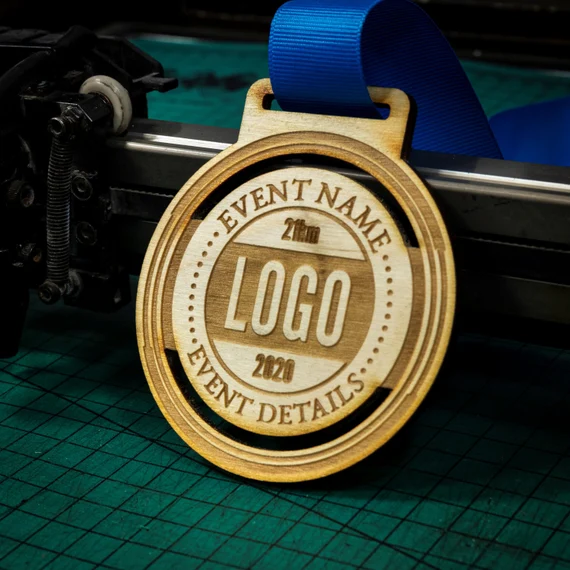
Before choosing a supplier, they should be clear on quantity, size, finish, ribbon style, and delivery date. Those details narrow the field fast and reduce costly back and forth.
What should organisers decide before choosing a supplier?
When planning custom event medals, they should lock in purpose, budget, and deadline first, because these three determine what is realistic. A charity run with 2,000 finishers needs different production and shipping capabilities than a school awards evening ordering 60 medals.
They should also decide medal type (die-cast, stamped, acrylic, wooden), finishes (antique gold, bright silver, matte, enamel fills), and ribbon requirements (width, colour, printed text). If they have a logo, they should request vector files for clean engraving or moulding.
Where can they buy custom medals online with predictable turnaround?
They can buy online from dedicated medal manufacturers and large award retailers that publish clear options, templates, and production timelines. This route works best when they want straightforward ordering, tracked delivery, and a broad range of styles.
They should look for suppliers that show real product photos, offer digital proofs, and state lead times for both production and shipping. If the event date is fixed, they should choose a seller that offers rush production or guaranteed dispatch rather than “estimated” timelines.
Which suppliers are best for high-quality, fully bespoke medals?
For fully bespoke medals, they should choose a specialist manufacturer that creates custom tooling and produces die-cast or stamped medals at scale. This is the best fit when they want unusual shapes, cut-outs, 3D relief, dual plating, or multi-colour enamel.
They should confirm whether the supplier handles design in-house, provides a mould fee quote upfront, and shares a clear proofing process. It also helps if the supplier can match Pantone colours, advise on line thickness for legibility, and suggest finishes that suit the artwork.
When does a local trophy shop make more sense than a factory?
A local trophy shop makes sense when they need a small run, fast collection, or simple customisation like engraving names and dates. It is also useful when the organiser wants to see samples in person and get hands-on advice.
The trade-off is that options may be narrower and per-unit pricing higher for complex custom shapes. Many trophy shops outsource bespoke medals anyway, so they should ask whether medals are made in-house or sourced, and what that means for lead time and proof revisions.
Are marketplaces and print-on-demand sites a good idea for medals?
They can be, but only for low-risk orders with generous timelines. Marketplaces may offer attractive pricing and variety, yet quality control and consistency can vary between sellers.
If they buy via a marketplace, they should check recent reviews, ask for photos of similar finished orders, and confirm what happens if the product arrives late or does not match the proof. They should also clarify whether ribbons, individual bags, and boxes are included or priced separately.
How can they compare quotes without getting caught by hidden costs?
They should compare quotes by requesting an itemised breakdown for mould or setup fees, unit price, ribbon printing, packaging, and shipping. A low headline price often excludes essentials like back text, individual polybags, or a premium ribbon.
They should also ask how many proof revisions are included, whether changes after approval cost extra, and what the policy is for defects. For large events, they should confirm overage rules, because some suppliers ship a small percentage extra or charge for spares.
What lead times should they expect for custom medals?
They should expect longer lead times for fully bespoke die-cast medals than for engraved or stock-shape medals. As a rough guide, simple customisation can be quick, while new tooling and complex finishes take longer due to mould creation and sampling.
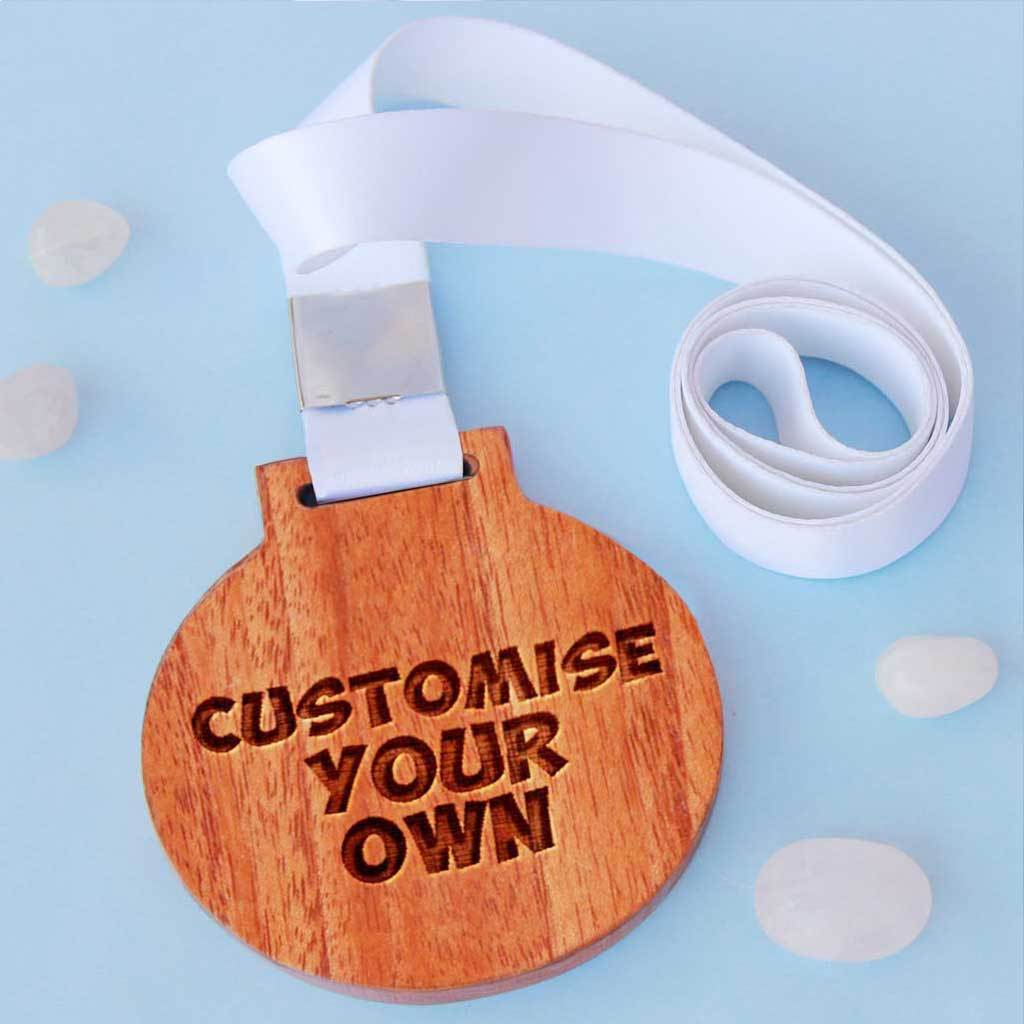
They should build in time for proof approval, production, shipping, and contingency for delays. If medals are for a fixed-date event, they should choose a supplier that commits in writing to dispatch dates, not just production estimates. Click here to get about design your own medals: a beginner-friendly guide.
What should they look for in a supplier proof and sample process?
They should expect a digital proof that shows front and back artwork, dimensions, finish notes, and ribbon details. The organiser should check spelling, dates, border thickness, and the clarity of small text, because those are common failure points.
If the order is large or the design is high-stakes, they should request a pre-production sample or at least a detailed render that matches the finish. They should also confirm the approval step that triggers production, because changes after approval are often chargeable.
How can they ensure medals match their brand and event theme?
They can ensure brand consistency by providing vector logos, brand colours, and clear references for style. If they want a premium feel, they should consider textured backgrounds, layered enamel, or an antique finish that highlights relief.
They should also match ribbon design to the medal, because the ribbon is often more visible in photos than the medal face. A custom printed ribbon with the event name and year can make even a simple medal feel bespoke.
What is the safest short-list for most organisations?
For most organisations, the safest short-list is a specialist medal maker for bespoke designs, a reputable awards retailer for standard custom options, and a local trophy shop for small runs or urgent engraving. This mix covers quality, speed, and budget without forcing a single route.
If they are unsure, they should start by requesting two quotes: one from a specialist manufacturer and one from an established awards retailer. The difference in tooling, lead time, and finish options usually makes the best choice obvious.
FAQs (Frequently Asked Questions)
What key factors should organisers decide before choosing a custom medal supplier?
Organisers should first lock in the purpose, budget, and deadline as these determine what is realistic. They also need to decide on medal type (such as die-cast, stamped, acrylic, or wooden), finishes (like antique gold, bright silver, matte, enamel fills), ribbon style including width, colour, and printed text. Providing vector logo files is essential for clean engraving or moulding.
Where can organisers buy custom medals online with predictable turnaround times?
Organisers can purchase custom medals online from dedicated medal manufacturers and large award retailers that offer clear options, templates, and production timelines. They should look for suppliers displaying real product photos, providing digital proofs, stating lead times for production and shipping, and offering rush production or guaranteed dispatch for fixed event dates.
Which suppliers are best suited for high-quality, fully bespoke custom medals?
Specialist manufacturers who create custom tooling and produce die-cast or stamped medals at scale are ideal for fully bespoke designs. These suppliers can accommodate unusual shapes, cut-outs, 3D reliefs, dual plating, or multi-colour enamel. It’s important to confirm if they handle design in-house, provide upfront mould fee quotes, have a clear proofing process, and can match Pantone colours while advising on design legibility and finishes.
When is it more sensible to use a local trophy shop instead of a factory for custom medals?
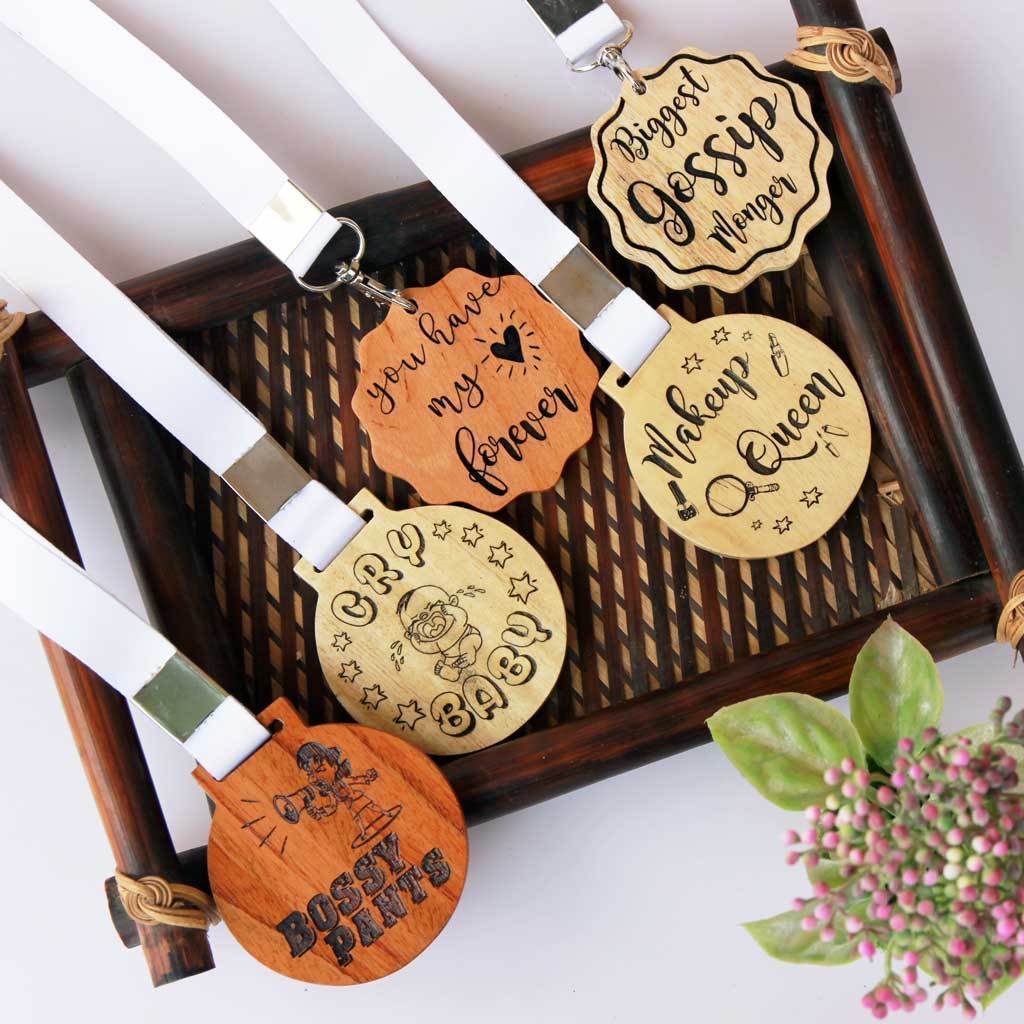
A local trophy shop is preferable for small runs requiring fast collection or simple customisation like engraving names and dates. It allows organisers to see samples in person and receive hands-on advice. However, options may be limited and per-unit costs higher for complex shapes. Organisers should inquire whether medals are made in-house or outsourced to understand lead times and proof revision policies.
Are online marketplaces and print-on-demand sites reliable options for ordering custom medals?
Marketplaces can be suitable only for low-risk orders with generous timelines due to variable quality control between sellers. Organisers should check recent reviews, request photos of similar finished products, clarify policies on late deliveries or mismatches with proofs, and confirm whether ribbons, individual bags, and boxes are included or extra.
How can organisers effectively compare quotes from different custom medal suppliers without hidden costs?
Organisers should request an itemised breakdown including mould/setup fees, unit price, ribbon printing, packaging, and shipping. They must clarify how many proof revisions are included and whether changes after approval incur extra charges. It’s also important to ask about defect policies and overage rules since some suppliers ship extra units or charge for spares.