

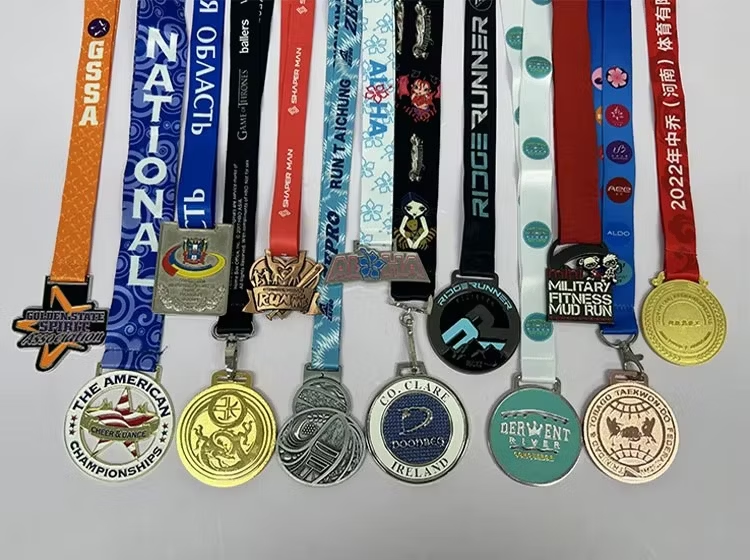
This guide walks through the essential decisions in a sensible order, so they do not overspend or get stuck in back-and-forth revisions.
What should the medal be for, and who is it for?
When you design your own medals, they should define the event and the audience before any design work starts. A school sports day medal needs different materials and messaging than a corporate award or a martial arts grading.
They should write down the event name, date, distance or category, and how winners are decided. If the medal must work across multiple categories, they should plan where variable text will go, such as on the back or on a small add-on plate.
What size and shape should a beginner choose?
A safe starting point is a round medal between 50 mm and 70 mm. That size looks substantial, photographs well, and leaves room for legible text.
If they want a more distinctive look, they can choose a shield, star, hexagon, or bespoke outline, but complex shapes can raise tooling costs. For a first project, they should keep the silhouette clean and use detail inside the border rather than making the outside edge too intricate.
Which material and finish looks best for the budget?
Most custom medals are zinc alloy, iron, brass, or stainless steel, each with different costs and detail levels. Zinc alloy is common because it holds fine detail and works well with plating and enamel.
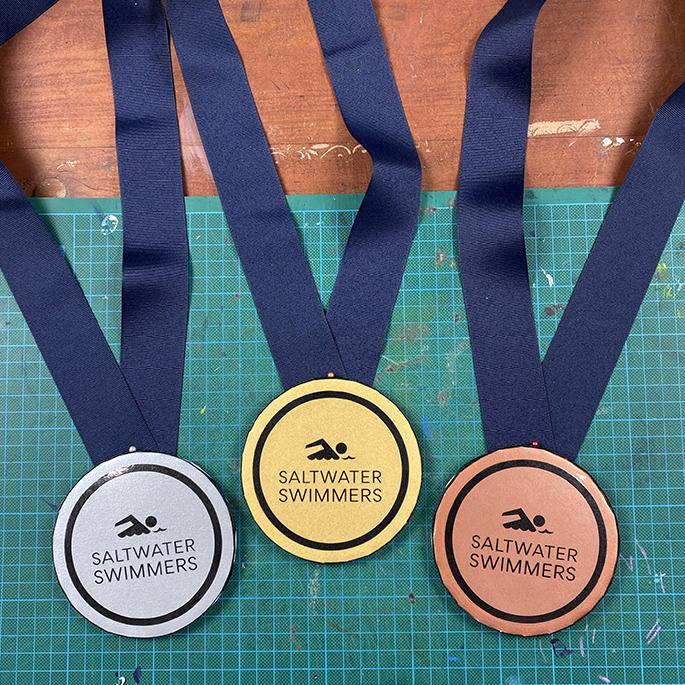
They should pick a finish that matches the meaning: gold for first place, silver for second, bronze for third is classic, but black nickel or antique finishes can look premium for themed events. If they want a vintage look that hides fingerprints and minor scuffs, antique gold or antique silver is often a good choice.
Should they use enamel colours or keep it metal-only?
Enamel adds colour and clarity, especially for logos, flags, and strong event branding. Soft enamel creates recessed colour areas with a textured feel, while hard enamel sits flush and feels smoother, usually at a higher cost.
If they want to keep it simple and cheaper, they can go metal-only with raised and recessed areas, using polished and matte contrasts. A good beginner approach is one or two enamel colours for emphasis, with the rest of the design in metal relief.
What needs to be on the front of the medal?
The front should communicate the award in one glance. They should prioritise the event name or logo, the sport or theme icon, and a clear symbol of achievement such as a laurel wreath, trophy, or ranking number.
They should avoid cramming in too much text. If the medal will be seen at arm’s length, large shapes and short wording read better than small paragraphs. If they must include a sponsor, a discreet logo placement usually works better than a long company name.
What should go on the back, and should it be personalised?
The back is the best place for details that vary. They can include the date, location, distance, category, finisher text, or an individual name and time if the supplier offers engraving or printing.
If personalisation is important, they should decide early whether it will be engraved, laser marked, or printed. They should also ask how data is supplied, such as a spreadsheet, and whether there is a per-item fee. A popular compromise is a blank panel on the back so they can add names later if needed.
How do ribbon choices change the overall look?
The ribbon often makes the first impression because it is visible when worn. They should choose ribbon width that suits the medal size, commonly 20 mm to 38 mm, and a length that sits comfortably on the chest.
They can pick a solid colour, a stripe pattern that matches team colours, or a custom printed ribbon with event text. If they want a cohesive look, they should match ribbon colours to enamel colours or the event branding, and avoid mixing too many shades.
How can they make the design look professional without being a designer?
They should start with a simple layout: a border, a central icon or logo, and supporting text on a clean curve. Strong medals tend to have one focal point rather than several competing elements.
They should use no more than two fonts, and ideally stick to one. Text should be large enough to read, with generous spacing, and they should avoid thin lines that may disappear in production. If they are using a logo, they should supply a clean vector file so edges do not look fuzzy.
What file formats and artwork prep do suppliers usually require?
Most suppliers prefer vector files such as AI, EPS, or SVG. These scale cleanly and make it easier to create moulds, clean edges, and accurate enamel boundaries.
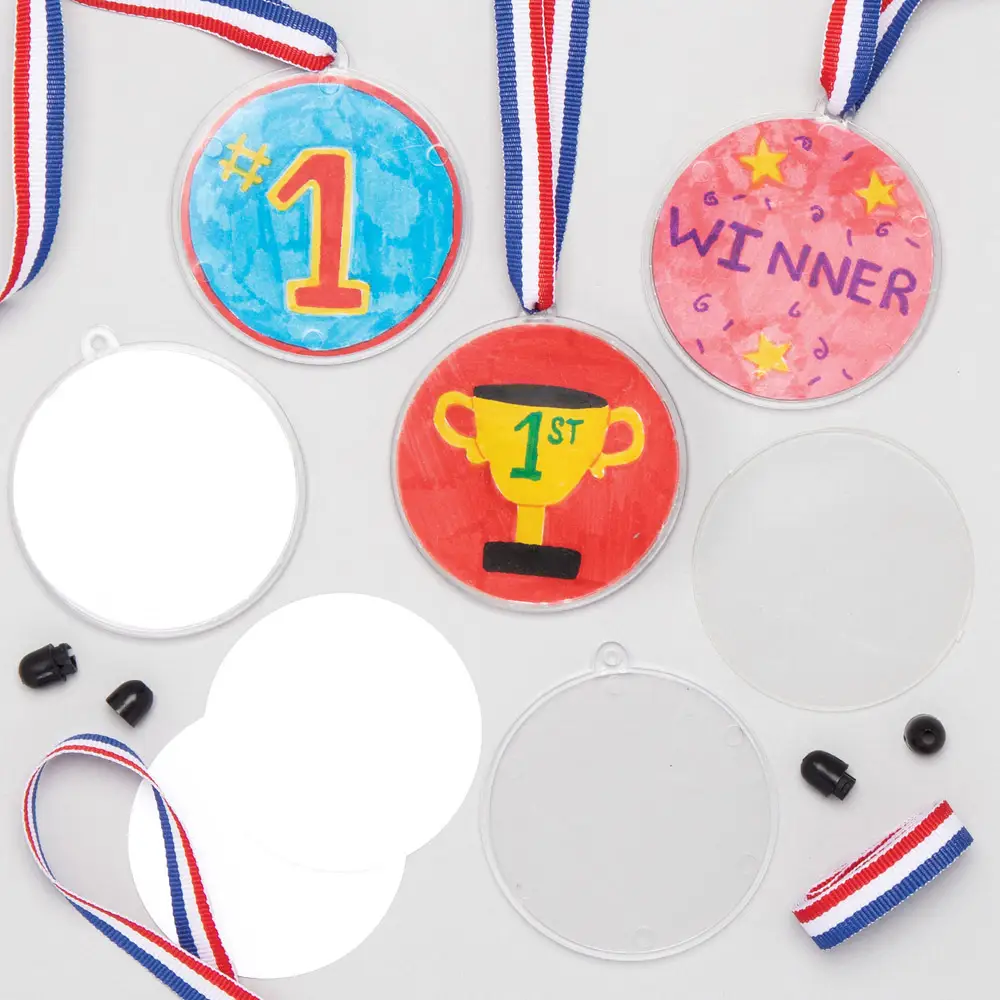
If they only have a PNG or JPG, they should ask whether the supplier can redraw it and what that costs. They should also confirm the proof process, including how many revisions are included, and request a mock-up that shows the front, back, and ribbon together. Click here to get about where to buy custom medals for events and organisations.
How many medals should they order, and how does quantity affect price?
Unit price typically drops as quantity rises because mould and setup costs are spread across more pieces. They should estimate attendance, add a sensible buffer for late entries or replacements, and then check price breaks at common quantities.
If they are ordering podium sets, they should confirm how the supplier differentiates them, such as different plating, different centre discs, or printed numbers. They should also ask about minimum order quantities, since some custom medal runs start at 50 or 100 units.
What production timeline should they plan for?
They should assume custom medals take longer than they expect, especially around peak seasons. Design approval, sampling, production, quality checks, and shipping all add time.
A practical approach is to start the process at least six to eight weeks before the event, and earlier if they want custom ribbons, complex shapes, or personalisation. They should also ask whether there are rush options and what they cost, and they should keep final artwork changes to a minimum once production starts.
What common mistakes should beginners avoid?
The most common mistake is trying to fit too much onto one medal. Too many words, tiny icons, or overly complex borders can make the finished piece look busy and harder to manufacture cleanly.
They should also avoid low-resolution logos, weak contrast choices, and rushing approval without checking spelling, dates, and sponsor names. If the medal includes enamel, they should confirm colour references, and if it includes plating, they should confirm whether it is shiny, matte, or antique.
How can they check quality before committing to a full run?
They should ask for a pre-production proof and, if possible, a physical sample. A good check is to view the design at the real size on screen or printed on paper, because readability changes when scaled down.
They should confirm the thickness, edge finish, attachment style, and ribbon stitching quality. They should also ask how defects are handled, what the replacement policy is, and whether the supplier has quality control photos before shipping.
What is the simplest step-by-step process to design and order?
They can follow a straightforward sequence and keep decisions moving. This reduces delays and makes supplier communication easier.
- Decide on purpose, audience, and what must be included.
- Pick size, shape, material, finish, and whether to use enamel.
- Draft front and back content, keeping the front clean.
- Choose ribbon type, width, and colours or printing.
- Send vector artwork or request a redraw from the supplier.
- Review and approve the proof carefully, especially text.
- Confirm quantity, personalisation method, and delivery timeline.
- Approve production and keep a buffer for shipping and spares.
FAQs (Frequently Asked Questions)
What is the first step in designing a custom medal?
The first step is to define the purpose of the medal and identify the target audience. This includes specifying the event name, date, category, and how winners will be decided to ensure the design aligns with the occasion.
What size and shape are recommended for beginners designing medals?
A round medal between 50 mm and 70 mm is a safe and effective starting point. This size offers a substantial look, good photo appeal, and enough space for legible text. Beginners should opt for clean silhouettes rather than intricate edges to keep tooling costs reasonable.
Which materials and finishes are best suited for custom medals within a budget?
Common materials include zinc alloy, iron, brass, and stainless steel. Zinc alloy is popular due to its ability to hold fine detail and compatibility with plating and enamel. Classic finishes like gold, silver, and bronze correspond to first, second, and third places respectively, while antique finishes offer a premium vintage appearance that hides fingerprints and scuffs.
Should enamel colours be used on medals or is metal-only better?
Enamel adds colour and clarity, especially for logos or branding. Soft enamel creates textured recessed areas while hard enamel provides a smooth flush surface but at higher cost. For simplicity and affordability, metal-only designs with polished and matte contrasts work well. Beginners often choose one or two enamel colours for emphasis combined with metal relief.
What information should be featured on the front of a custom medal?
The front should clearly communicate the award at a glance by prioritising the event name or logo, an icon representing the sport or theme, and a symbol of achievement such as a laurel wreath or ranking number. Avoid overcrowding with too much text; large shapes and concise wording improve readability from arm’s length.
How should personalisation be handled on the back of medals?
The back is ideal for variable details like dates, locations, categories, or individual names if engraving or printing services are available. Decide early on whether personalisation will be engraved, laser marked, or printed, understand how data should be supplied (e.g., spreadsheets), and inquire about any per-item fees. Alternatively, leaving a blank panel allows adding names later if needed.